Press freedom in Niger hits historic low, fueled by post-coup crackdown
West Africa is witnessing a troubling escalation in press freedom violations in Niger, where journalists face unprecedented challenges since the July 2023 military takeover. The recent disappearance of prominent broadcaster Moussa Kaka has intensified concerns about the state of media freedom in the country, prompting urgent calls from international observers for transparency.
Moussa Kaka, a well-known figure in Nigerien journalism, vanished on August 31 after leaving the Radio-télévision Saraounia (RTS) studios in Niamey. His disappearance occurred just days after violent unrest rocked the capital, raising serious questions about his safety and whereabouts. Multiple international NGOs have urged Nigerien authorities to investigate the case thoroughly.
Systematic repression of media under new leadership
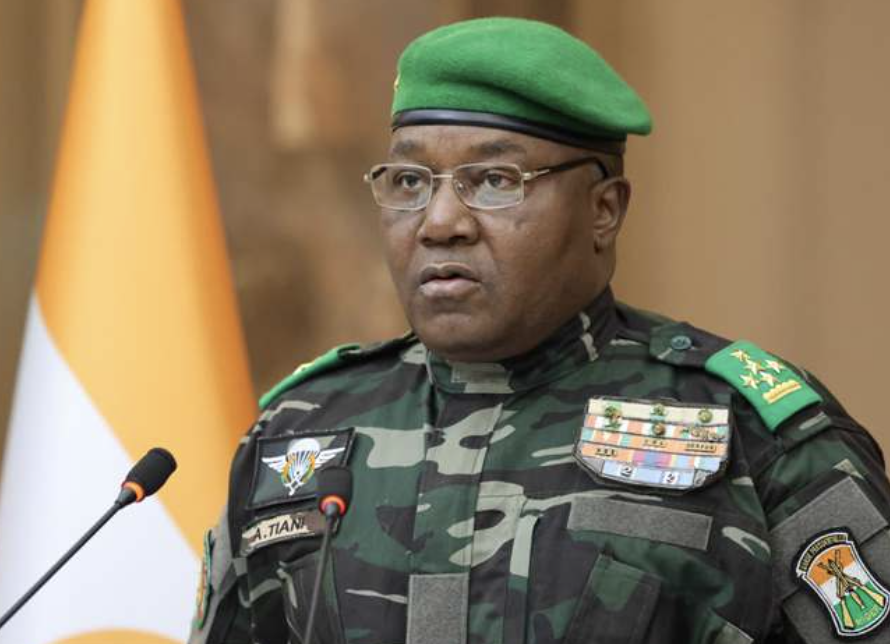
Since General Abdourahamane Tiani assumed power, Niger’s media landscape has come under severe pressure. The country has plummeted 37 places in Reporters Without Borders global press freedom index, now ranking 120th out of 180 countries. The situation has deteriorated to the point where nine French media outlets have been suspended by the National Observatory of Communication.
The crackdown extends beyond regulatory restrictions. Journalists face arbitrary arrests and prolonged detentions for alleged violations of cybercrime laws. Notable cases include:
- Ibro Chaibou, RTS deputy editor-in-chief, detained in October 2025 under cybercrime legislation before eventual release
- Samira Sabou, held in secret custody for eight days in 2023 on charges related to public order disturbances
Economic hardship compounds media struggles
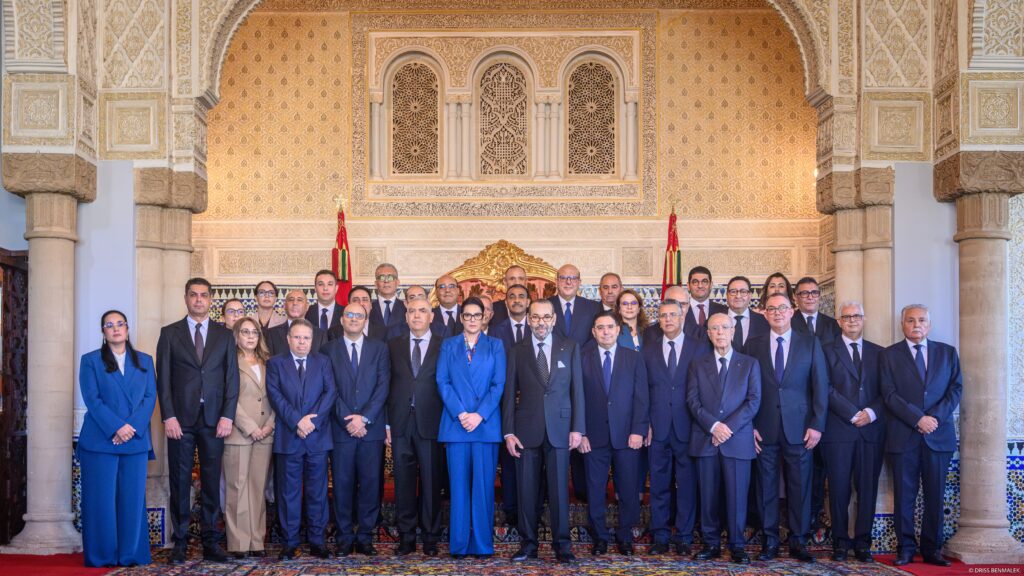
The challenges facing Nigerien media extend beyond political repression. A tightening regulatory framework has placed additional financial burdens on news organizations. On September 10, the Council of Ministers approved two new bills targeting electronic media and foreign correspondents, further constraining journalistic activities in the country.
These developments come as part of a broader pattern of civic space contraction in Niger. The combination of political instability, economic pressures, and regulatory crackdowns creates an increasingly hostile environment for independent journalism in the region.
As the international community watches closely, the situation in Niger serves as a stark reminder of how fragile press freedom can become in the face of authoritarian consolidation.